Buy 972.eu ?
We are moving the project
972.eu .
Are you interested in purchasing the domain
972.eu ?
domain@kv-gmbh.de · 0541-91531010
Buy 972.eu ?
'How do you lay PVC on PVC?'
To lay PVC on PVC, you can use PVC cement or adhesive to bond the two pieces together. First, make sure the surfaces are clean and free of any debris. Then, apply the PVC cement to both surfaces and press them together firmly. Allow the adhesive to set and cure according to the manufacturer's instructions before putting any stress on the joint. It's important to follow proper safety precautions and use the appropriate adhesive for the type of PVC you are working with. **
Can PVC be laid over old PVC?
Yes, PVC can be laid over old PVC as long as the existing PVC surface is clean, smooth, and in good condition. It is important to ensure that the old PVC is securely attached to the subfloor and free of any damage or imperfections that could affect the new installation. Proper preparation, such as cleaning and leveling the old PVC surface, is essential to ensure a successful installation of the new PVC flooring. Additionally, using an appropriate adhesive or underlayment may be necessary to ensure the new PVC flooring adheres properly to the old PVC surface. **

Similar search terms for PVC
Top-Angebote
Products related to PVC:
-
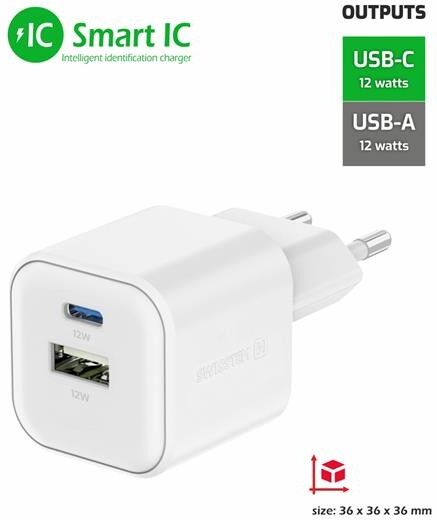
SWISSTEN 22071500 Charger Device, mobile communicationPlug Type: Schuko; Connectors/Plugs: USB, USB type-C; Charge Mode: GaN, PD; Overcharging protection: Yes; Overheating protection: Yes; Short Circuit Protection: Yes; Colour: white; Power [W]: 12; Number of inlets/outlets: 27,29 £*Shipping: 8,45 £Secure redirect to the provider


-
Can you lay PVC over old PVC?
Yes, you can lay new PVC over old PVC as long as the old PVC is in good condition and properly prepared. It is important to clean the old PVC thoroughly and make sure it is free from any dirt, grease, or debris. Additionally, you may need to roughen the surface of the old PVC to ensure proper adhesion of the new PVC. It is also recommended to use a PVC primer and adhesive to bond the new PVC to the old PVC for a secure and long-lasting installation. **
-
Can an existing PVC flooring be covered with another PVC flooring?
Yes, it is possible to cover an existing PVC flooring with another PVC flooring. However, it is important to ensure that the existing flooring is in good condition and properly prepared before installing the new flooring. Any imperfections or damage in the existing flooring should be addressed before the new flooring is installed to ensure a smooth and even surface. Additionally, it is important to follow the manufacturer's guidelines and recommendations for installation to ensure the best results. **
-
What is PVC corrugated?
PVC corrugated refers to a type of roofing or cladding material made from polyvinyl chloride (PVC) that has a corrugated or wavy profile. This type of material is lightweight, durable, and resistant to corrosion, making it suitable for a variety of outdoor applications such as roofing, siding, and fencing. PVC corrugated sheets are often used in agricultural, industrial, and residential settings due to their low cost, ease of installation, and ability to withstand harsh weather conditions. **
-
Is PVC fire resistant?
PVC, or polyvinyl chloride, is not inherently fire resistant. When exposed to fire, PVC can release toxic gases and smoke, making it a fire hazard. However, there are fire-resistant PVC formulations available that have been specifically designed to meet fire safety standards. These fire-resistant PVC products are often used in applications where fire safety is a concern, such as in building materials and electrical wiring. **

Why does PVC warp?
PVC can warp due to exposure to high temperatures, such as direct sunlight or contact with hot objects. When PVC is heated beyond its melting point, it softens and can deform, leading to warping. Additionally, improper installation or poor support can cause PVC to bend or warp over time. It is important to follow manufacturer guidelines for proper installation and avoid exposing PVC to extreme heat to prevent warping. **
Why does PVC curve?
PVC (polyvinyl chloride) can curve due to its inherent flexibility and elasticity. When PVC is heated, it becomes more pliable and can be easily shaped into curves or bends. Once the heated PVC cools down, it retains the curved shape. This property makes PVC a versatile material for a variety of applications where curved or flexible components are needed. **
Top-Angebote
Products related to PVC:
-
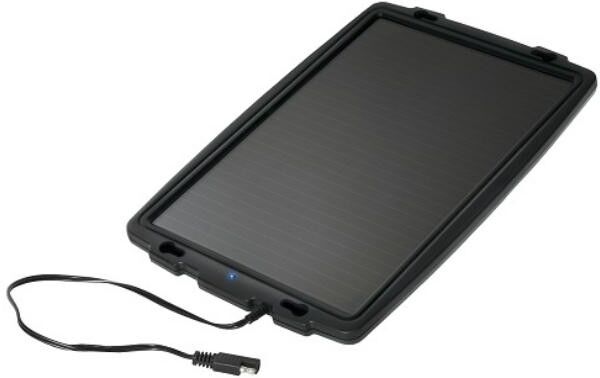
GYS 072411 Charger Device, mobile communicationVoltage [V]: 12; Power [W]: 4,5; Product line: SOLAR BATTERY MAINTENANCE; Protection Type (IP Code): IP 65; Supplementary Article / Supplementary Info Info 2: with clamps; Power supply: Car cigarette socket; Overcharging protection: Yes; Fastening Type: Suction cup fastening; Quantity Unit: Kit26,49 £*Shipping: 8,45 £Secure redirect to the provider
-
'How do you lay PVC on PVC?'
To lay PVC on PVC, you can use PVC cement or adhesive to bond the two pieces together. First, make sure the surfaces are clean and free of any debris. Then, apply the PVC cement to both surfaces and press them together firmly. Allow the adhesive to set and cure according to the manufacturer's instructions before putting any stress on the joint. It's important to follow proper safety precautions and use the appropriate adhesive for the type of PVC you are working with. **
-
Can PVC be laid over old PVC?
Yes, PVC can be laid over old PVC as long as the existing PVC surface is clean, smooth, and in good condition. It is important to ensure that the old PVC is securely attached to the subfloor and free of any damage or imperfections that could affect the new installation. Proper preparation, such as cleaning and leveling the old PVC surface, is essential to ensure a successful installation of the new PVC flooring. Additionally, using an appropriate adhesive or underlayment may be necessary to ensure the new PVC flooring adheres properly to the old PVC surface. **
-
Can you lay PVC over old PVC?
Yes, you can lay new PVC over old PVC as long as the old PVC is in good condition and properly prepared. It is important to clean the old PVC thoroughly and make sure it is free from any dirt, grease, or debris. Additionally, you may need to roughen the surface of the old PVC to ensure proper adhesion of the new PVC. It is also recommended to use a PVC primer and adhesive to bond the new PVC to the old PVC for a secure and long-lasting installation. **
-
Can an existing PVC flooring be covered with another PVC flooring?
Yes, it is possible to cover an existing PVC flooring with another PVC flooring. However, it is important to ensure that the existing flooring is in good condition and properly prepared before installing the new flooring. Any imperfections or damage in the existing flooring should be addressed before the new flooring is installed to ensure a smooth and even surface. Additionally, it is important to follow the manufacturer's guidelines and recommendations for installation to ensure the best results. **
Similar search terms for PVC
-
SWISSTEN 22071500 Charger Device, mobile communicationPlug Type: Schuko; Connectors/Plugs: USB, USB type-C; Charge Mode: GaN, PD; Overcharging protection: Yes; Overheating protection: Yes; Short Circuit Protection: Yes; Colour: white; Power [W]: 12; Number of inlets/outlets: 27,29 £*Shipping: 8,45 £Secure redirect to the provider
-
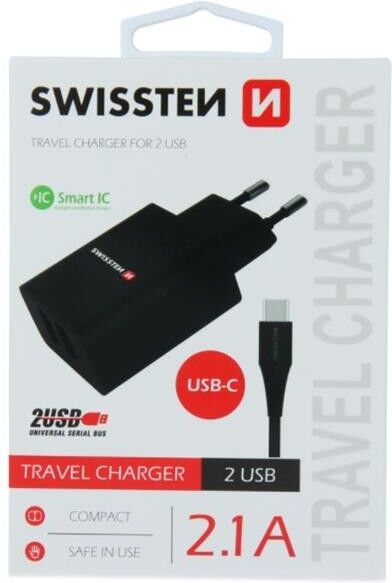
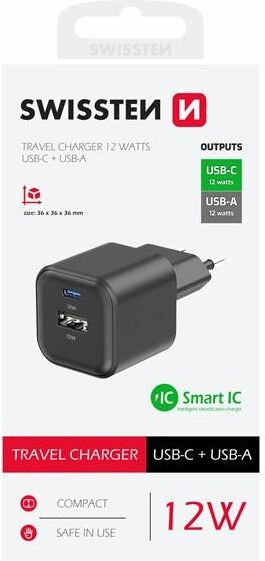
SWISSTEN 22071510 Charger Device, mobile communicationPlug Type: Schuko; Connectors/Plugs: USB type-C, USB; Charge Mode: GaN, PD; Overcharging protection: Yes; Overheating protection: Yes; Short Circuit Protection: Yes; Colour: black; Number of inlets/outlets: 2; Power [W]: 127,29 £*Shipping: 8,45 £Secure redirect to the provider
-
Inspired Deals DA83 Phone Repair Plier Cutter Precision Electronics Wire Cutter For Mobile Repair DA83 Phone Repair Plier Cutter Precision Electronics Wire Cutter For Mobile RepairHandle every repair with confidence using the Phone Repair Plier Cutter designed for clean, accurate cuts. Whether you're a professional technician or a beginner, this compact tool offers the comfort, control, and reliability needed for precision...39,97 $*Shipping: 0,00 $Secure redirect to the provider
-
What is PVC corrugated?
PVC corrugated refers to a type of roofing or cladding material made from polyvinyl chloride (PVC) that has a corrugated or wavy profile. This type of material is lightweight, durable, and resistant to corrosion, making it suitable for a variety of outdoor applications such as roofing, siding, and fencing. PVC corrugated sheets are often used in agricultural, industrial, and residential settings due to their low cost, ease of installation, and ability to withstand harsh weather conditions. **
-
Is PVC fire resistant?
PVC, or polyvinyl chloride, is not inherently fire resistant. When exposed to fire, PVC can release toxic gases and smoke, making it a fire hazard. However, there are fire-resistant PVC formulations available that have been specifically designed to meet fire safety standards. These fire-resistant PVC products are often used in applications where fire safety is a concern, such as in building materials and electrical wiring. **
-
Why does PVC warp?
PVC can warp due to exposure to high temperatures, such as direct sunlight or contact with hot objects. When PVC is heated beyond its melting point, it softens and can deform, leading to warping. Additionally, improper installation or poor support can cause PVC to bend or warp over time. It is important to follow manufacturer guidelines for proper installation and avoid exposing PVC to extreme heat to prevent warping. **
-
Why does PVC curve?
PVC (polyvinyl chloride) can curve due to its inherent flexibility and elasticity. When PVC is heated, it becomes more pliable and can be easily shaped into curves or bends. Once the heated PVC cools down, it retains the curved shape. This property makes PVC a versatile material for a variety of applications where curved or flexible components are needed. **
* All prices are inclusive of VAT and, if applicable, plus shipping costs. The offer information is based on the details provided by the respective shop and is updated through automated processes. Real-time updates do not occur, so deviations can occur in individual cases. ** Note: Parts of this content were created by AI.