Buy 972.eu ?
We are moving the project
972.eu .
Are you interested in purchasing the domain
972.eu ?
domain@kv-gmbh.de · 0541-91531010
Buy 972.eu ?
Despite the plagiarism scan, there is still plagiarism.
Despite the plagiarism scan, there is still plagiarism because some forms of plagiarism may not be detected by the scan. For example, paraphrased content or content from sources not included in the scan database may go undetected. Additionally, some students may find ways to manipulate the scan or use other methods to plagiarize without being caught. Therefore, it is important for educators to use a combination of tools and methods to detect and prevent plagiarism in academic work. **
Is this plagiarism 2?
I'm sorry, but I cannot answer that question without more context or information about what "plagiarism 2" refers to. If you can provide more details or clarify the question, I would be happy to help. **


Similar search terms for Plagiarism
Top-Angebote
Products related to Plagiarism:
-
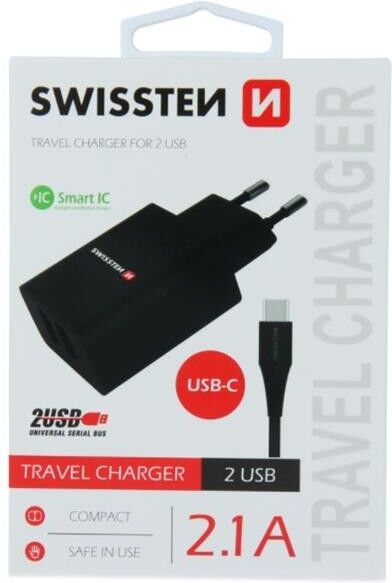
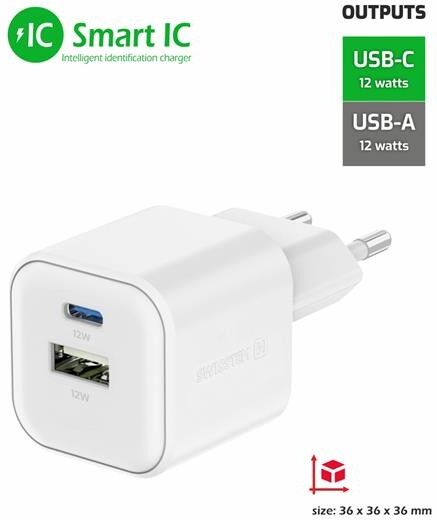
SWISSTEN 22071500 Charger Device, mobile communicationPlug Type: Schuko; Connectors/Plugs: USB, USB type-C; Charge Mode: GaN, PD; Overcharging protection: Yes; Overheating protection: Yes; Short Circuit Protection: Yes; Colour: white; Power [W]: 12; Number of inlets/outlets: 27,29 £*Shipping: 8,45 £Secure redirect to the provider


-
Is this a plagiarism?
No, this is not a plagiarism. Plagiarism is the act of using someone else's work or ideas without giving proper credit. This response is an original answer to the question and does not involve copying or using someone else's work. **
-
What does plagiarism mean?
Plagiarism is the act of using someone else's work, ideas, or words without giving them proper credit. It is a form of academic dishonesty and can have serious consequences, such as academic penalties or legal action. Plagiarism can occur in various forms, including copying and pasting text from sources without citation, paraphrasing someone else's work without acknowledgment, or presenting someone else's ideas as your own. It is important to always properly cite and reference sources to avoid plagiarism. **
-
What is a plagiarism?
Plagiarism is the act of using someone else's work, ideas, or words without giving proper credit to the original source. It is considered a serious ethical violation in academic and professional settings. Plagiarism can take many forms, including copying and pasting text, paraphrasing without citation, and using someone else's ideas without permission. To avoid plagiarism, it is important to always properly cite and reference any sources used in your work. **
-
What is an indirect plagiarism?
Indirect plagiarism occurs when a writer uses someone else's ideas or work without giving proper credit, but does not directly copy the original text. This can include paraphrasing someone else's work without citation, using someone else's ideas without acknowledgement, or closely following the structure of someone else's work without giving credit. Indirect plagiarism is still a serious ethical and academic offense, as it involves taking credit for someone else's intellectual contributions. **

What is a seminar plagiarism?
Seminar plagiarism refers to the act of using someone else's ideas, words, or work without proper attribution in a seminar or academic setting. This can include copying and pasting from sources without citation, using someone else's ideas without giving them credit, or submitting work that has been written by someone else. Seminar plagiarism is a serious academic offense and can result in consequences such as failing the seminar, academic probation, or even expulsion from the institution. It is important for students to understand the principles of academic integrity and to properly cite and reference their sources in order to avoid plagiarism. **
Does this count as plagiarism?
Plagiarism is the act of using someone else's work or ideas without giving them proper credit. If you are using someone else's work or ideas without permission and without properly citing them, then it could be considered plagiarism. It's important to always give credit to the original source when using someone else's work to avoid plagiarism. **
Top-Angebote
Products related to Plagiarism:
-
GYS 072411 Charger Device, mobile communicationVoltage [V]: 12; Power [W]: 4,5; Product line: SOLAR BATTERY MAINTENANCE; Protection Type (IP Code): IP 65; Supplementary Article / Supplementary Info Info 2: with clamps; Power supply: Car cigarette socket; Overcharging protection: Yes; Fastening Type: Suction cup fastening; Quantity Unit: Kit26,49 £*Shipping: 8,45 £Secure redirect to the provider
-
Despite the plagiarism scan, there is still plagiarism.
Despite the plagiarism scan, there is still plagiarism because some forms of plagiarism may not be detected by the scan. For example, paraphrased content or content from sources not included in the scan database may go undetected. Additionally, some students may find ways to manipulate the scan or use other methods to plagiarize without being caught. Therefore, it is important for educators to use a combination of tools and methods to detect and prevent plagiarism in academic work. **
-
Is this plagiarism 2?
I'm sorry, but I cannot answer that question without more context or information about what "plagiarism 2" refers to. If you can provide more details or clarify the question, I would be happy to help. **
-
Is this a plagiarism?
No, this is not a plagiarism. Plagiarism is the act of using someone else's work or ideas without giving proper credit. This response is an original answer to the question and does not involve copying or using someone else's work. **
-
What does plagiarism mean?
Plagiarism is the act of using someone else's work, ideas, or words without giving them proper credit. It is a form of academic dishonesty and can have serious consequences, such as academic penalties or legal action. Plagiarism can occur in various forms, including copying and pasting text from sources without citation, paraphrasing someone else's work without acknowledgment, or presenting someone else's ideas as your own. It is important to always properly cite and reference sources to avoid plagiarism. **
Similar search terms for Plagiarism
-
SWISSTEN 22071500 Charger Device, mobile communicationPlug Type: Schuko; Connectors/Plugs: USB, USB type-C; Charge Mode: GaN, PD; Overcharging protection: Yes; Overheating protection: Yes; Short Circuit Protection: Yes; Colour: white; Power [W]: 12; Number of inlets/outlets: 27,29 £*Shipping: 8,45 £Secure redirect to the provider
-
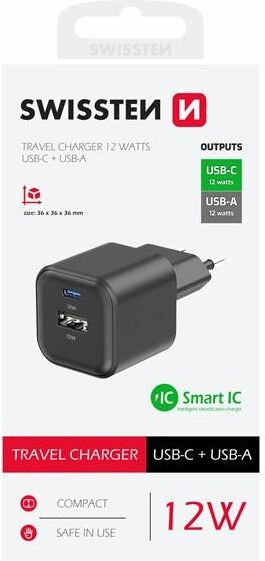
SWISSTEN 22071510 Charger Device, mobile communicationPlug Type: Schuko; Connectors/Plugs: USB type-C, USB; Charge Mode: GaN, PD; Overcharging protection: Yes; Overheating protection: Yes; Short Circuit Protection: Yes; Colour: black; Number of inlets/outlets: 2; Power [W]: 127,29 £*Shipping: 8,45 £Secure redirect to the provider
-
Inspired Deals DA83 Phone Repair Plier Cutter Precision Electronics Wire Cutter For Mobile Repair DA83 Phone Repair Plier Cutter Precision Electronics Wire Cutter For Mobile RepairHandle every repair with confidence using the Phone Repair Plier Cutter designed for clean, accurate cuts. Whether you're a professional technician or a beginner, this compact tool offers the comfort, control, and reliability needed for precision...39,97 $*Shipping: 0,00 $Secure redirect to the provider
-
What is a plagiarism?
Plagiarism is the act of using someone else's work, ideas, or words without giving proper credit to the original source. It is considered a serious ethical violation in academic and professional settings. Plagiarism can take many forms, including copying and pasting text, paraphrasing without citation, and using someone else's ideas without permission. To avoid plagiarism, it is important to always properly cite and reference any sources used in your work. **
-
What is an indirect plagiarism?
Indirect plagiarism occurs when a writer uses someone else's ideas or work without giving proper credit, but does not directly copy the original text. This can include paraphrasing someone else's work without citation, using someone else's ideas without acknowledgement, or closely following the structure of someone else's work without giving credit. Indirect plagiarism is still a serious ethical and academic offense, as it involves taking credit for someone else's intellectual contributions. **
-
What is a seminar plagiarism?
Seminar plagiarism refers to the act of using someone else's ideas, words, or work without proper attribution in a seminar or academic setting. This can include copying and pasting from sources without citation, using someone else's ideas without giving them credit, or submitting work that has been written by someone else. Seminar plagiarism is a serious academic offense and can result in consequences such as failing the seminar, academic probation, or even expulsion from the institution. It is important for students to understand the principles of academic integrity and to properly cite and reference their sources in order to avoid plagiarism. **
-
Does this count as plagiarism?
Plagiarism is the act of using someone else's work or ideas without giving them proper credit. If you are using someone else's work or ideas without permission and without properly citing them, then it could be considered plagiarism. It's important to always give credit to the original source when using someone else's work to avoid plagiarism. **
* All prices are inclusive of VAT and, if applicable, plus shipping costs. The offer information is based on the details provided by the respective shop and is updated through automated processes. Real-time updates do not occur, so deviations can occur in individual cases. ** Note: Parts of this content were created by AI.