Buy 972.eu ?
We are moving the project
972.eu .
Are you interested in purchasing the domain
972.eu ?
domain@kv-gmbh.de · 0541-91531010
Buy 972.eu ?
Are dipoles always polar?
No, dipoles are not always polar. A dipole is formed when there is a separation of positive and negative charges within a molecule. If the molecule is symmetrical and the charges are evenly distributed, the dipole moments cancel each other out, resulting in a nonpolar molecule. Only asymmetrical molecules with an uneven distribution of charges will have a net dipole moment, making them polar. **
Are all angular molecules dipoles?
No, not all angular molecules are dipoles. A molecule is a dipole if it has a separation of positive and negative charges, which occurs when the molecule is asymmetrical. Angular molecules, also known as bent molecules, can be dipoles if they have an uneven distribution of electrons, resulting in a net dipole moment. However, some angular molecules, such as carbon dioxide (CO2), are symmetrical and do not have a net dipole moment. **

Similar search terms for Dipoles
Top-Angebote
Products related to Dipoles:
-
Inspired Deals DA83 Phone Repair Plier Cutter Precision Electronics Wire Cutter For Mobile Repair DA83 Phone Repair Plier Cutter Precision Electronics Wire Cutter For Mobile RepairHandle every repair with confidence using the Phone Repair Plier Cutter designed for clean, accurate cuts. Whether you're a professional technician or a beginner, this compact tool offers the comfort, control, and reliability needed for precision...39,97 $*Shipping: 0,00 $Secure redirect to the provider
-
Inspired Finds AENBUSLM SS900B Ultra 10W Laser Screen Removal Machine For Mobile Phone And Electronics Repair AENBUSLM SS900B Ultra 10W Laser Screen Removal Machine For Mobile Phone And Electronics RepairMake removing tough glue and back glass safer and more precise than traditional heat or manual methods with a professional grade laser screen removal machine. This advanced tool uses a highpower 10W laser to weaken adhesive bonds and cut through...978,99 $*Shipping: 0,00 $Secure redirect to the provider



-
What are dipoles in chemistry?
In chemistry, a dipole refers to a molecule that has a separation of positive and negative charges. This occurs when there is an unequal distribution of electrons within the molecule, causing one end to be slightly positive and the other end to be slightly negative. This separation of charges creates a dipole moment, which can result in the molecule having polar characteristics. Dipoles are important in understanding the behavior of molecules in various chemical reactions and interactions. **
-
Are all polar bonds dipoles?
Yes, all polar bonds are dipoles. A polar bond is a type of covalent bond where there is an unequal sharing of electrons between two atoms, resulting in a partial positive and partial negative charge on the atoms involved. This charge separation creates a dipole moment, making the bond a dipole. **
-
Do ionic compounds form dipoles?
Ionic compounds do not form dipoles because they consist of ions held together by electrostatic forces of attraction. In an ionic compound, one atom donates electrons to another atom, resulting in the formation of positively and negatively charged ions. These ions are arranged in a crystal lattice structure, with no separation of charges within individual molecules to create dipoles. **
-
How can one recognize dipoles?
Dipoles can be recognized by looking at the distribution of charge within a molecule. A molecule with a significant difference in electronegativity between its atoms is likely to have a dipole moment. Additionally, if a molecule has a symmetrical shape, it is less likely to be a dipole, while asymmetrical shapes are more likely to have a dipole moment. Experimentally, dipoles can be identified using techniques such as infrared spectroscopy or measuring the molecule's behavior in an electric field. **
Are they dipoles or not?
It depends on the specific molecules in question. If a molecule has a significant difference in electronegativity between its atoms and a non-symmetrical shape, it is likely to be a dipole. However, if a molecule has a symmetrical shape or the electronegativity difference between its atoms is negligible, it is likely to be non-polar and not a dipole. It is important to consider both the shape and the electronegativity of the atoms in a molecule to determine if it is a dipole or not. **
Is quick help needed with dipoles?
Quick help with dipoles may be needed depending on the complexity of the problem or the level of understanding of the individual seeking help. Dipoles can be challenging to understand for some, so having quick assistance can be beneficial in clarifying concepts or solving problems efficiently. However, with proper resources and guidance, individuals can also learn and work through dipoles at their own pace. **
Top-Angebote
Products related to Dipoles:
-
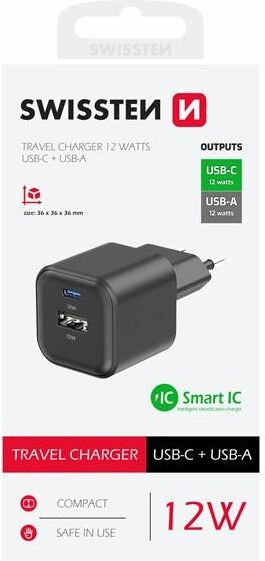
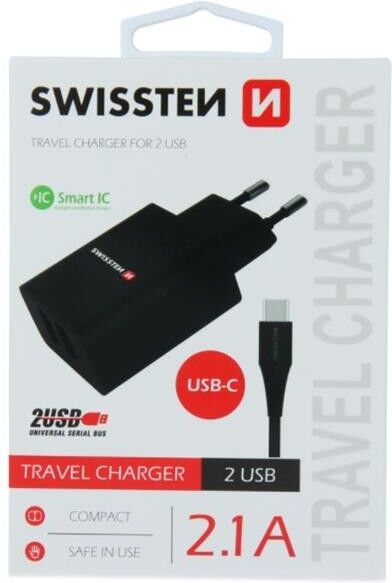
SWISSTEN 22071510 Charger Device, mobile communicationPlug Type: Schuko; Connectors/Plugs: USB type-C, USB; Charge Mode: GaN, PD; Overcharging protection: Yes; Overheating protection: Yes; Short Circuit Protection: Yes; Colour: black; Number of inlets/outlets: 2; Power [W]: 127,29 £*Shipping: 8,45 £Secure redirect to the provider
-
Are dipoles always polar?
No, dipoles are not always polar. A dipole is formed when there is a separation of positive and negative charges within a molecule. If the molecule is symmetrical and the charges are evenly distributed, the dipole moments cancel each other out, resulting in a nonpolar molecule. Only asymmetrical molecules with an uneven distribution of charges will have a net dipole moment, making them polar. **
-
Are all angular molecules dipoles?
No, not all angular molecules are dipoles. A molecule is a dipole if it has a separation of positive and negative charges, which occurs when the molecule is asymmetrical. Angular molecules, also known as bent molecules, can be dipoles if they have an uneven distribution of electrons, resulting in a net dipole moment. However, some angular molecules, such as carbon dioxide (CO2), are symmetrical and do not have a net dipole moment. **
-
What are dipoles in chemistry?
In chemistry, a dipole refers to a molecule that has a separation of positive and negative charges. This occurs when there is an unequal distribution of electrons within the molecule, causing one end to be slightly positive and the other end to be slightly negative. This separation of charges creates a dipole moment, which can result in the molecule having polar characteristics. Dipoles are important in understanding the behavior of molecules in various chemical reactions and interactions. **
-
Are all polar bonds dipoles?
Yes, all polar bonds are dipoles. A polar bond is a type of covalent bond where there is an unequal sharing of electrons between two atoms, resulting in a partial positive and partial negative charge on the atoms involved. This charge separation creates a dipole moment, making the bond a dipole. **
Similar search terms for Dipoles
-
Inspired Deals DA83 Phone Repair Plier Cutter Precision Electronics Wire Cutter For Mobile Repair DA83 Phone Repair Plier Cutter Precision Electronics Wire Cutter For Mobile RepairHandle every repair with confidence using the Phone Repair Plier Cutter designed for clean, accurate cuts. Whether you're a professional technician or a beginner, this compact tool offers the comfort, control, and reliability needed for precision...39,97 $*Shipping: 0,00 $Secure redirect to the provider
-
Inspired Finds AENBUSLM SS900B Ultra 10W Laser Screen Removal Machine For Mobile Phone And Electronics Repair AENBUSLM SS900B Ultra 10W Laser Screen Removal Machine For Mobile Phone And Electronics RepairMake removing tough glue and back glass safer and more precise than traditional heat or manual methods with a professional grade laser screen removal machine. This advanced tool uses a highpower 10W laser to weaken adhesive bonds and cut through...978,99 $*Shipping: 0,00 $Secure redirect to the provider
-
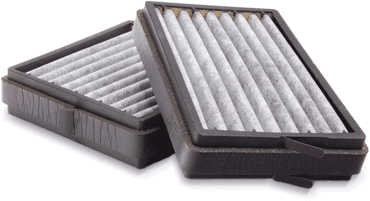
TOPRAN 720 972 Air filterFilter type: Filter Insert; Shape: rectangular; Frame Material: Foam; Length [mm]: 208; Width [mm]: 170; Height: 58; TecDoc Engine Number: 15310; Supplementary Article / Supplementary Info Info 2: not for dusty operating conditions8,29 £*Shipping: 8,45 £Secure redirect to the provider
-
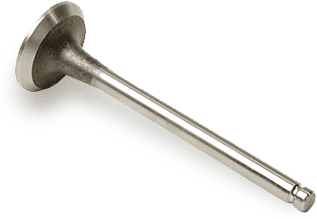
TOPRAN 400 972 Exhaust valveLength [mm]: 103,5; Valve Stem Diameter [mm]: 7; Valve Head Diameter [mm]: 29; Number of grooves: 1; Fitting Position: Cylinder Head, Exhaust Side; TecDoc Engine Number: 2131; Transmission Type: Manual Transmission, Automatic Transmission; Engine Number from: 068920, 02808814,99 £*Shipping: 8,45 £Secure redirect to the provider
-
Do ionic compounds form dipoles?
Ionic compounds do not form dipoles because they consist of ions held together by electrostatic forces of attraction. In an ionic compound, one atom donates electrons to another atom, resulting in the formation of positively and negatively charged ions. These ions are arranged in a crystal lattice structure, with no separation of charges within individual molecules to create dipoles. **
-
How can one recognize dipoles?
Dipoles can be recognized by looking at the distribution of charge within a molecule. A molecule with a significant difference in electronegativity between its atoms is likely to have a dipole moment. Additionally, if a molecule has a symmetrical shape, it is less likely to be a dipole, while asymmetrical shapes are more likely to have a dipole moment. Experimentally, dipoles can be identified using techniques such as infrared spectroscopy or measuring the molecule's behavior in an electric field. **
-
Are they dipoles or not?
It depends on the specific molecules in question. If a molecule has a significant difference in electronegativity between its atoms and a non-symmetrical shape, it is likely to be a dipole. However, if a molecule has a symmetrical shape or the electronegativity difference between its atoms is negligible, it is likely to be non-polar and not a dipole. It is important to consider both the shape and the electronegativity of the atoms in a molecule to determine if it is a dipole or not. **
-
Is quick help needed with dipoles?
Quick help with dipoles may be needed depending on the complexity of the problem or the level of understanding of the individual seeking help. Dipoles can be challenging to understand for some, so having quick assistance can be beneficial in clarifying concepts or solving problems efficiently. However, with proper resources and guidance, individuals can also learn and work through dipoles at their own pace. **
* All prices are inclusive of VAT and, if applicable, plus shipping costs. The offer information is based on the details provided by the respective shop and is updated through automated processes. Real-time updates do not occur, so deviations can occur in individual cases. ** Note: Parts of this content were created by AI.