Buy 972.eu ?
We are moving the project
972.eu .
Are you interested in purchasing the domain
972.eu ?
domain@kv-gmbh.de · 0541-91531010
Buy 972.eu ?
Should one insulate or use technology for KfW 55?
For a KfW 55 energy-efficient building standard, it is important to focus on both insulation and technology. Proper insulation helps to reduce heat loss and improve energy efficiency, while technology such as energy-efficient heating systems, smart thermostats, and solar panels can further enhance the building's overall energy performance. By combining insulation with advanced technology, one can achieve optimal energy savings and create a more sustainable living environment in line with the KfW 55 standard. **
Should one insulate or use technology with KfW 55?
It is recommended to insulate a building to KfW 55 standards rather than relying solely on technology. Insulation helps to reduce heat loss and energy consumption, leading to lower heating costs and a more sustainable building. While technology can complement insulation efforts, it is not a substitute for proper insulation. By insulating to KfW 55 standards, you can create a more energy-efficient and comfortable living environment. **

Similar search terms for Insulate
Top-Angebote
Products related to Insulate:
-
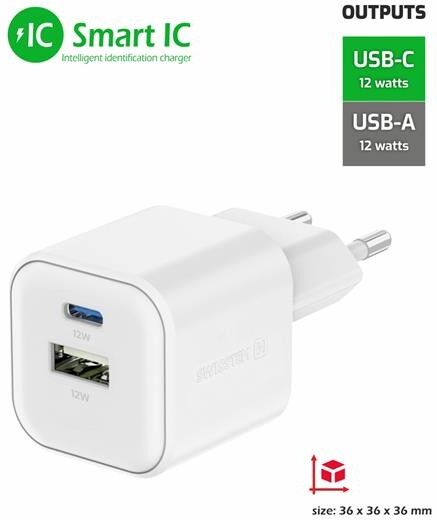
SWISSTEN 22071500 Charger Device, mobile communicationPlug Type: Schuko; Connectors/Plugs: USB, USB type-C; Charge Mode: GaN, PD; Overcharging protection: Yes; Overheating protection: Yes; Short Circuit Protection: Yes; Colour: white; Power [W]: 12; Number of inlets/outlets: 27,29 £*Shipping: 8,45 £Secure redirect to the provider


-
How do you insulate cables?
Cables can be insulated using various materials such as rubber, plastic, or even ceramic. The insulation material is typically applied as a sheath around the conductive wires to protect them from environmental factors such as moisture, heat, and mechanical damage. The thickness and type of insulation used depend on the specific application and the level of protection required. Insulating cables is essential to ensure the safety and reliability of electrical systems. **
-
How does bubble wrap insulate?
Bubble wrap insulates by trapping air in between the bubbles, creating a barrier that slows down the transfer of heat. The air pockets act as a buffer, reducing the amount of heat that can pass through the material. This helps to maintain a more consistent temperature inside the wrapped object, whether it is protecting it from cold or heat. The thicker the bubble wrap, the better the insulation properties it will have. **
-
How do I insulate the floor?
To insulate the floor, you can start by adding insulation material between the floor joists in the crawl space or basement. This can help to prevent heat loss and keep the floors warmer. Additionally, you can install carpet or rugs to add an extra layer of insulation and warmth to the floor. Another option is to use rigid foam insulation panels on the underside of the floor joists to provide insulation and reduce heat transfer. Finally, sealing any air leaks or gaps in the floor can also help to improve insulation. **
-
How can one insulate heating pipes?
One can insulate heating pipes by using foam pipe insulation sleeves or wraps. These are designed to fit around the pipes and provide a barrier to prevent heat loss. It is important to measure the diameter of the pipes and choose the appropriate size of insulation to ensure a snug fit. Additionally, sealing any gaps or joints in the insulation with tape can further improve its effectiveness. Insulating heating pipes can help to reduce energy costs and prevent heat loss, making the heating system more efficient. **

How do you insulate water pipes?
To insulate water pipes, you can use foam pipe insulation sleeves or wrap the pipes with heat tape. First, measure the length of the pipes and cut the insulation sleeves to fit. Then, simply slide the insulation sleeves over the pipes or wrap the heat tape around them, making sure to cover any exposed areas. This will help prevent the pipes from freezing during cold weather and reduce heat loss, ultimately saving energy and preventing potential damage. **
How can you insulate a bathtub?
One way to insulate a bathtub is to install a bathtub insulation kit, which typically includes foam panels that can be attached to the underside of the tub. These panels help to retain heat and prevent the bathtub from losing warmth too quickly. Another option is to use expanding foam insulation, which can be sprayed around the exterior of the bathtub to create a barrier against heat loss. Additionally, ensuring that the area around the bathtub is well-sealed and insulated can also help to keep the tub warm. **
Top-Angebote
Products related to Insulate:
-
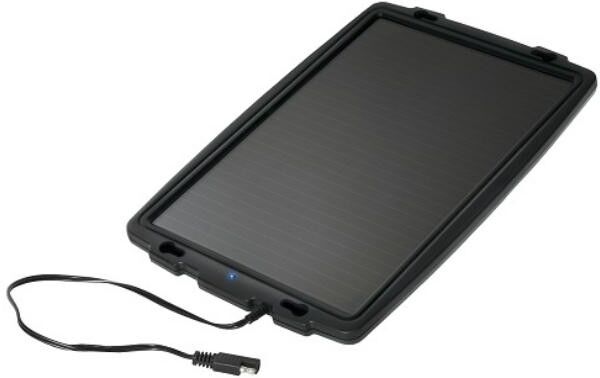
GYS 072411 Charger Device, mobile communicationVoltage [V]: 12; Power [W]: 4,5; Product line: SOLAR BATTERY MAINTENANCE; Protection Type (IP Code): IP 65; Supplementary Article / Supplementary Info Info 2: with clamps; Power supply: Car cigarette socket; Overcharging protection: Yes; Fastening Type: Suction cup fastening; Quantity Unit: Kit26,49 £*Shipping: 8,45 £Secure redirect to the provider
-
Should one insulate or use technology for KfW 55?
For a KfW 55 energy-efficient building standard, it is important to focus on both insulation and technology. Proper insulation helps to reduce heat loss and improve energy efficiency, while technology such as energy-efficient heating systems, smart thermostats, and solar panels can further enhance the building's overall energy performance. By combining insulation with advanced technology, one can achieve optimal energy savings and create a more sustainable living environment in line with the KfW 55 standard. **
-
Should one insulate or use technology with KfW 55?
It is recommended to insulate a building to KfW 55 standards rather than relying solely on technology. Insulation helps to reduce heat loss and energy consumption, leading to lower heating costs and a more sustainable building. While technology can complement insulation efforts, it is not a substitute for proper insulation. By insulating to KfW 55 standards, you can create a more energy-efficient and comfortable living environment. **
-
How do you insulate cables?
Cables can be insulated using various materials such as rubber, plastic, or even ceramic. The insulation material is typically applied as a sheath around the conductive wires to protect them from environmental factors such as moisture, heat, and mechanical damage. The thickness and type of insulation used depend on the specific application and the level of protection required. Insulating cables is essential to ensure the safety and reliability of electrical systems. **
-
How does bubble wrap insulate?
Bubble wrap insulates by trapping air in between the bubbles, creating a barrier that slows down the transfer of heat. The air pockets act as a buffer, reducing the amount of heat that can pass through the material. This helps to maintain a more consistent temperature inside the wrapped object, whether it is protecting it from cold or heat. The thicker the bubble wrap, the better the insulation properties it will have. **
Similar search terms for Insulate
-
SWISSTEN 22071500 Charger Device, mobile communicationPlug Type: Schuko; Connectors/Plugs: USB, USB type-C; Charge Mode: GaN, PD; Overcharging protection: Yes; Overheating protection: Yes; Short Circuit Protection: Yes; Colour: white; Power [W]: 12; Number of inlets/outlets: 27,29 £*Shipping: 8,45 £Secure redirect to the provider
-
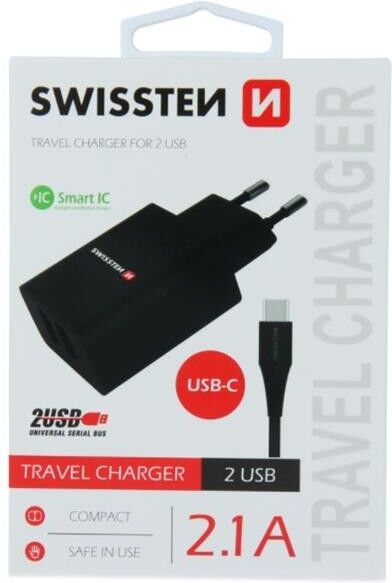
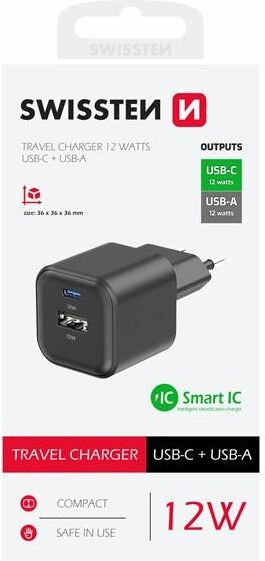
SWISSTEN 22071510 Charger Device, mobile communicationPlug Type: Schuko; Connectors/Plugs: USB type-C, USB; Charge Mode: GaN, PD; Overcharging protection: Yes; Overheating protection: Yes; Short Circuit Protection: Yes; Colour: black; Number of inlets/outlets: 2; Power [W]: 127,29 £*Shipping: 8,45 £Secure redirect to the provider
-
Inspired Deals DA83 Phone Repair Plier Cutter Precision Electronics Wire Cutter For Mobile Repair DA83 Phone Repair Plier Cutter Precision Electronics Wire Cutter For Mobile RepairHandle every repair with confidence using the Phone Repair Plier Cutter designed for clean, accurate cuts. Whether you're a professional technician or a beginner, this compact tool offers the comfort, control, and reliability needed for precision...39,97 $*Shipping: 0,00 $Secure redirect to the provider
-
How do I insulate the floor?
To insulate the floor, you can start by adding insulation material between the floor joists in the crawl space or basement. This can help to prevent heat loss and keep the floors warmer. Additionally, you can install carpet or rugs to add an extra layer of insulation and warmth to the floor. Another option is to use rigid foam insulation panels on the underside of the floor joists to provide insulation and reduce heat transfer. Finally, sealing any air leaks or gaps in the floor can also help to improve insulation. **
-
How can one insulate heating pipes?
One can insulate heating pipes by using foam pipe insulation sleeves or wraps. These are designed to fit around the pipes and provide a barrier to prevent heat loss. It is important to measure the diameter of the pipes and choose the appropriate size of insulation to ensure a snug fit. Additionally, sealing any gaps or joints in the insulation with tape can further improve its effectiveness. Insulating heating pipes can help to reduce energy costs and prevent heat loss, making the heating system more efficient. **
-
How do you insulate water pipes?
To insulate water pipes, you can use foam pipe insulation sleeves or wrap the pipes with heat tape. First, measure the length of the pipes and cut the insulation sleeves to fit. Then, simply slide the insulation sleeves over the pipes or wrap the heat tape around them, making sure to cover any exposed areas. This will help prevent the pipes from freezing during cold weather and reduce heat loss, ultimately saving energy and preventing potential damage. **
-
How can you insulate a bathtub?
One way to insulate a bathtub is to install a bathtub insulation kit, which typically includes foam panels that can be attached to the underside of the tub. These panels help to retain heat and prevent the bathtub from losing warmth too quickly. Another option is to use expanding foam insulation, which can be sprayed around the exterior of the bathtub to create a barrier against heat loss. Additionally, ensuring that the area around the bathtub is well-sealed and insulated can also help to keep the tub warm. **
* All prices are inclusive of VAT and, if applicable, plus shipping costs. The offer information is based on the details provided by the respective shop and is updated through automated processes. Real-time updates do not occur, so deviations can occur in individual cases. ** Note: Parts of this content were created by AI.