Buy 972.eu ?
We are moving the project
972.eu .
Are you interested in purchasing the domain
972.eu ?
domain@kv-gmbh.de · 0541-91531010
Buy 972.eu ?
What are lipids in biology?
Lipids are a diverse group of organic molecules that are insoluble in water but soluble in nonpolar solvents. They serve various functions in living organisms, such as energy storage, structural components of cell membranes, and signaling molecules. Common examples of lipids include fats, oils, phospholipids, and steroids. Lipids play a crucial role in maintaining the structure and function of cells and are essential for various biological processes. **
What are lipids in chemistry?
Lipids are a diverse group of organic molecules that are insoluble in water but soluble in nonpolar solvents. They are an essential component of living cells and play a variety of roles in the body, including energy storage, insulation, and cell membrane structure. Lipids include fats, oils, phospholipids, and steroids, and are characterized by their hydrophobic nature due to their long hydrocarbon chains. **

Similar search terms for Lipids
Top-Angebote
Products related to Lipids:
-
GYS 072411 Charger Device, mobile communicationVoltage [V]: 12; Power [W]: 4,5; Product line: SOLAR BATTERY MAINTENANCE; Protection Type (IP Code): IP 65; Supplementary Article / Supplementary Info Info 2: with clamps; Power supply: Car cigarette socket; Overcharging protection: Yes; Fastening Type: Suction cup fastening; Quantity Unit: Kit26,49 £*Shipping: 8,45 £Secure redirect to the provider



-
Why do steroids belong to lipids?
Steroids belong to lipids because they are a type of lipid molecule that is composed of four fused carbon rings. While they do not have fatty acids like other lipids, steroids share similar properties such as being hydrophobic and insoluble in water. Additionally, steroids play important roles in cell membrane structure, hormone production, and signaling pathways, making them a unique subclass of lipids. **
-
What is the structure of lipids?
Lipids are structurally diverse molecules, but they all share a common feature of being hydrophobic, or water-repellent. The basic structure of lipids consists of a glycerol molecule linked to fatty acid chains. These fatty acid chains can vary in length and saturation, leading to different types of lipids such as triglycerides, phospholipids, and sterols. The hydrophobic nature of lipids allows them to form cell membranes, store energy, and act as signaling molecules in the body. **
-
Why are lipids not considered a biopolymer?
Lipids are not considered a biopolymer because they are not composed of repeating monomeric units like proteins, nucleic acids, and carbohydrates. Biopolymers are large molecules made up of smaller, repeating subunits, whereas lipids are composed of fatty acids and glycerol, and do not have a repeating structure. Additionally, lipids are not typically involved in the same types of biological functions as biopolymers, such as encoding genetic information or serving as structural components of cells. Therefore, lipids are not classified as biopolymers. **
-
How do you draw fatty acids and lipids?
To draw fatty acids, you can start by drawing a long chain of carbon atoms with a carboxylic acid group (-COOH) at one end. Then, you can add hydrogen atoms to the carbon chain to satisfy their valency. For lipids, you can draw a glycerol molecule with three carbon atoms, each bonded to a hydroxyl group (-OH). Then, you can attach fatty acid chains to each of the three carbon atoms in the glycerol molecule to represent a triglyceride. Remember to include double bonds in the fatty acid chains if they are unsaturated. **


What are the similarities between proteins, carbohydrates, and lipids?
Proteins, carbohydrates, and lipids are all macronutrients that provide energy to the body. They are all essential for various biological functions and are made up of carbon, hydrogen, and oxygen atoms. Additionally, they are all organic compounds that play a crucial role in maintaining overall health and well-being. Despite their differences in structure and functions, proteins, carbohydrates, and lipids are all vital components of a balanced diet. **
Why are all enzymes proteins and not lipids or macromolecules?
Enzymes are proteins because they are made up of long chains of amino acids, which are the building blocks of proteins. These amino acids are arranged in a specific sequence that gives each enzyme its unique structure and function. Proteins are well-suited for the role of enzymes because they can fold into complex three-dimensional shapes that allow them to interact with other molecules in specific ways. Lipids and other macromolecules do not have the same ability to form the diverse range of structures and active sites needed for enzymatic function. Therefore, proteins are the most suitable macromolecules for serving as enzymes in biological systems. **
Top-Angebote
Products related to Lipids:
-
The Ordinary Rice Lipids + Ectoin Microemulsion Ultra-Light Texture 60mLA facial cream for dry or dehydrated skin. Rice Lipids + Ectoin Microemulsion is an ultra-lightweight moisturizer designed to deliver 24-hour soothing hydration and promote translucent-looking, radiant skin. This innovative formula combines the benefits of rice lipids and ectoin to effectively combat dryness and support the skin barrier, ensuring a smooth and hydrated complexion.15,50 £*Shipping: 5,22 £Secure redirect to the provider
-
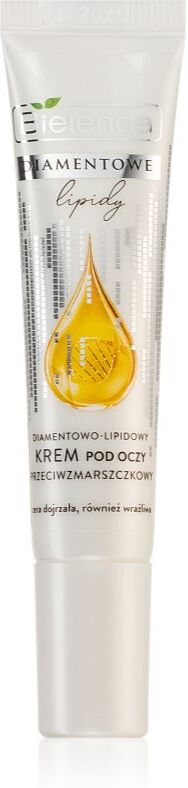
Bielenda Diamond Lipids eye cream for eye bags and wrinkles 15 mlBielenda Diamond Lipids, 15 ml, Eye Creams and Gels for Women, The eye area is a highly sensitive area, as the skin there is exceptionally thin and fragile, making it more susceptible to signs of fatigue and ageing. It therefore also requires special treatment with ingredients and consistencies designed exactly for its needs. The Bielenda Diamond Lipids eye cream takes care of specific issues in the eye area. It delivers the nourishment and hydration needed for the skin around your eyes, improving its quality and restoring its vitality and a fresh, rested look. Characteristics: smooths wrinkles and fine lines removes puffiness and dark circles under the eyes refreshes and softens the eye area How to use: In the morning and/or evening, apply the product around the eye contours by dabbing lightly until fully absorbed.4,42 £*Shipping: 3,99 £Secure redirect to the provider
-
GYS 072411 Charger Device, mobile communicationVoltage [V]: 12; Power [W]: 4,5; Product line: SOLAR BATTERY MAINTENANCE; Protection Type (IP Code): IP 65; Supplementary Article / Supplementary Info Info 2: with clamps; Power supply: Car cigarette socket; Overcharging protection: Yes; Fastening Type: Suction cup fastening; Quantity Unit: Kit26,49 £*Shipping: 8,45 £Secure redirect to the provider
-
What are lipids in biology?
Lipids are a diverse group of organic molecules that are insoluble in water but soluble in nonpolar solvents. They serve various functions in living organisms, such as energy storage, structural components of cell membranes, and signaling molecules. Common examples of lipids include fats, oils, phospholipids, and steroids. Lipids play a crucial role in maintaining the structure and function of cells and are essential for various biological processes. **
-
What are lipids in chemistry?
Lipids are a diverse group of organic molecules that are insoluble in water but soluble in nonpolar solvents. They are an essential component of living cells and play a variety of roles in the body, including energy storage, insulation, and cell membrane structure. Lipids include fats, oils, phospholipids, and steroids, and are characterized by their hydrophobic nature due to their long hydrocarbon chains. **
-
Why do steroids belong to lipids?
Steroids belong to lipids because they are a type of lipid molecule that is composed of four fused carbon rings. While they do not have fatty acids like other lipids, steroids share similar properties such as being hydrophobic and insoluble in water. Additionally, steroids play important roles in cell membrane structure, hormone production, and signaling pathways, making them a unique subclass of lipids. **
-
What is the structure of lipids?
Lipids are structurally diverse molecules, but they all share a common feature of being hydrophobic, or water-repellent. The basic structure of lipids consists of a glycerol molecule linked to fatty acid chains. These fatty acid chains can vary in length and saturation, leading to different types of lipids such as triglycerides, phospholipids, and sterols. The hydrophobic nature of lipids allows them to form cell membranes, store energy, and act as signaling molecules in the body. **
Similar search terms for Lipids
-
SWISSTEN 22071500 Charger Device, mobile communicationPlug Type: Schuko; Connectors/Plugs: USB, USB type-C; Charge Mode: GaN, PD; Overcharging protection: Yes; Overheating protection: Yes; Short Circuit Protection: Yes; Colour: white; Power [W]: 12; Number of inlets/outlets: 27,29 £*Shipping: 8,45 £Secure redirect to the provider
-
Why are lipids not considered a biopolymer?
Lipids are not considered a biopolymer because they are not composed of repeating monomeric units like proteins, nucleic acids, and carbohydrates. Biopolymers are large molecules made up of smaller, repeating subunits, whereas lipids are composed of fatty acids and glycerol, and do not have a repeating structure. Additionally, lipids are not typically involved in the same types of biological functions as biopolymers, such as encoding genetic information or serving as structural components of cells. Therefore, lipids are not classified as biopolymers. **
-
How do you draw fatty acids and lipids?
To draw fatty acids, you can start by drawing a long chain of carbon atoms with a carboxylic acid group (-COOH) at one end. Then, you can add hydrogen atoms to the carbon chain to satisfy their valency. For lipids, you can draw a glycerol molecule with three carbon atoms, each bonded to a hydroxyl group (-OH). Then, you can attach fatty acid chains to each of the three carbon atoms in the glycerol molecule to represent a triglyceride. Remember to include double bonds in the fatty acid chains if they are unsaturated. **
-
What are the similarities between proteins, carbohydrates, and lipids?
Proteins, carbohydrates, and lipids are all macronutrients that provide energy to the body. They are all essential for various biological functions and are made up of carbon, hydrogen, and oxygen atoms. Additionally, they are all organic compounds that play a crucial role in maintaining overall health and well-being. Despite their differences in structure and functions, proteins, carbohydrates, and lipids are all vital components of a balanced diet. **
-
Why are all enzymes proteins and not lipids or macromolecules?
Enzymes are proteins because they are made up of long chains of amino acids, which are the building blocks of proteins. These amino acids are arranged in a specific sequence that gives each enzyme its unique structure and function. Proteins are well-suited for the role of enzymes because they can fold into complex three-dimensional shapes that allow them to interact with other molecules in specific ways. Lipids and other macromolecules do not have the same ability to form the diverse range of structures and active sites needed for enzymatic function. Therefore, proteins are the most suitable macromolecules for serving as enzymes in biological systems. **
* All prices are inclusive of VAT and, if applicable, plus shipping costs. The offer information is based on the details provided by the respective shop and is updated through automated processes. Real-time updates do not occur, so deviations can occur in individual cases. ** Note: Parts of this content were created by AI.