Buy 972.eu ?
We are moving the project
972.eu .
Are you interested in purchasing the domain
972.eu ?
domain@kv-gmbh.de · 0541-91531010
Buy 972.eu ?
Which polymers are contained in adhesives?
Adhesives can contain a variety of polymers, depending on their specific formulation and intended use. Some common polymers found in adhesives include polyvinyl acetate (PVA), acrylics, polyurethanes, epoxies, and silicones. These polymers provide different adhesive properties such as flexibility, strength, and resistance to environmental factors. The choice of polymer in an adhesive formulation depends on the desired performance characteristics for the specific application. **
What are condensation and hydrolysis of polymers?
Condensation and hydrolysis are two important chemical processes involved in the formation and breakdown of polymers. Condensation is the process by which monomers are joined together to form a polymer, with the release of a small molecule such as water. This process involves the formation of covalent bonds between the monomers, resulting in the growth of the polymer chain. On the other hand, hydrolysis is the process by which a polymer is broken down into its monomer units through the addition of water. This process involves the cleavage of covalent bonds within the polymer chain, resulting in the release of monomer units. Both condensation and hydrolysis are essential for the synthesis and degradation of polymers, and they play a crucial role in various biological and industrial processes. **

Similar search terms for Polymers
Top-Angebote
Products related to Polymers:
-
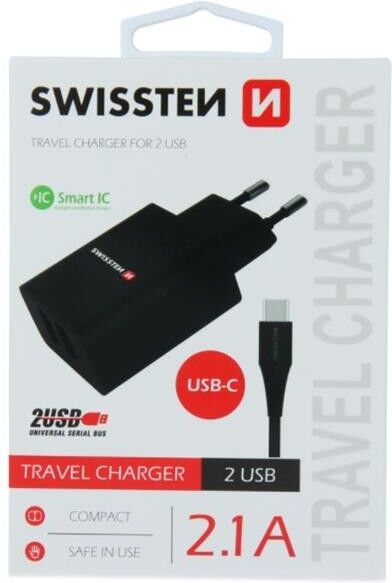
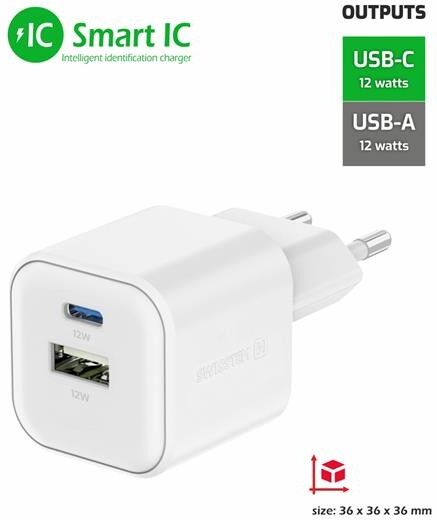
SWISSTEN 22071500 Charger Device, mobile communicationPlug Type: Schuko; Connectors/Plugs: USB, USB type-C; Charge Mode: GaN, PD; Overcharging protection: Yes; Overheating protection: Yes; Short Circuit Protection: Yes; Colour: white; Power [W]: 12; Number of inlets/outlets: 27,29 £*Shipping: 8,45 £Secure redirect to the provider


-
What is the difference between monomers and polymers?
Monomers are single units that can join together to form larger molecules called polymers. Polymers are made up of repeating monomer units linked together through chemical bonds. Monomers are the building blocks of polymers, and when they are linked together, they form long chains or networks that make up the polymer structure. **
-
What is the comparison between copolymers and pure polymers?
Copolymers are made up of two or more different types of monomers, while pure polymers are made up of only one type of monomer. This means that copolymers have a more diverse chemical structure compared to pure polymers. Copolymers also tend to have different physical and chemical properties compared to pure polymers, as the combination of different monomers can result in unique characteristics such as improved strength, flexibility, or heat resistance. Additionally, copolymers can be tailored to have specific properties by adjusting the ratio of different monomers, while pure polymers have a more uniform structure and properties. **
-
To what extent is it useful to use superabsorbent polymers?
Superabsorbent polymers are useful in a variety of applications where moisture absorption is necessary, such as in agriculture for water retention in soil, in hygiene products like diapers for absorbing liquids, and in medical dressings for wound care. They are also used in construction materials to improve the durability and strength of concrete. However, superabsorbent polymers can be expensive and may have negative environmental impacts if not disposed of properly. Therefore, it is important to consider the specific application and weigh the benefits against the potential drawbacks before using superabsorbent polymers. **
-
What does an electronics technician specializing in information and communication technology earn?
An electronics technician specializing in information and communication technology can earn an average salary of around $60,000 to $80,000 per year, depending on factors such as experience, location, and employer. With additional certifications or advanced degrees, they may be able to command higher salaries. Overall, this field offers competitive wages and opportunities for career growth as technology continues to advance. **

How much does an electronics technician for information and communication technology earn?
The salary of an electronics technician for information and communication technology can vary depending on factors such as experience, location, and employer. On average, in the United States, an electronics technician in this field can earn between $40,000 to $70,000 per year. However, with more experience and specialized skills, technicians can earn higher salaries, potentially exceeding $80,000 annually. It's important to research specific companies and regions to get a more accurate idea of salary expectations. **
What is the difference between monomers and polymers and what is their structural formula?
Monomers are small, individual molecules that can bond together to form larger molecules called polymers. The structural formula of a monomer typically consists of a single repeating unit, while the structural formula of a polymer consists of multiple repeating units linked together. For example, the monomer of polyethylene is ethylene, which has the structural formula CH2=CH2, while the polymer polyethylene is made up of many repeating units of ethylene linked together. **
Top-Angebote
Products related to Polymers:
-
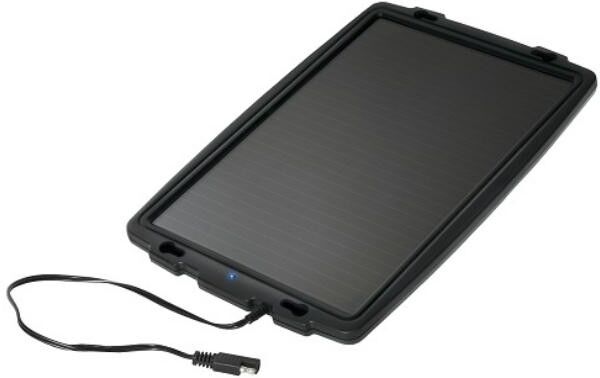
GYS 072411 Charger Device, mobile communicationVoltage [V]: 12; Power [W]: 4,5; Product line: SOLAR BATTERY MAINTENANCE; Protection Type (IP Code): IP 65; Supplementary Article / Supplementary Info Info 2: with clamps; Power supply: Car cigarette socket; Overcharging protection: Yes; Fastening Type: Suction cup fastening; Quantity Unit: Kit26,49 £*Shipping: 8,45 £Secure redirect to the provider
-
Which polymers are contained in adhesives?
Adhesives can contain a variety of polymers, depending on their specific formulation and intended use. Some common polymers found in adhesives include polyvinyl acetate (PVA), acrylics, polyurethanes, epoxies, and silicones. These polymers provide different adhesive properties such as flexibility, strength, and resistance to environmental factors. The choice of polymer in an adhesive formulation depends on the desired performance characteristics for the specific application. **
-
What are condensation and hydrolysis of polymers?
Condensation and hydrolysis are two important chemical processes involved in the formation and breakdown of polymers. Condensation is the process by which monomers are joined together to form a polymer, with the release of a small molecule such as water. This process involves the formation of covalent bonds between the monomers, resulting in the growth of the polymer chain. On the other hand, hydrolysis is the process by which a polymer is broken down into its monomer units through the addition of water. This process involves the cleavage of covalent bonds within the polymer chain, resulting in the release of monomer units. Both condensation and hydrolysis are essential for the synthesis and degradation of polymers, and they play a crucial role in various biological and industrial processes. **
-
What is the difference between monomers and polymers?
Monomers are single units that can join together to form larger molecules called polymers. Polymers are made up of repeating monomer units linked together through chemical bonds. Monomers are the building blocks of polymers, and when they are linked together, they form long chains or networks that make up the polymer structure. **
-
What is the comparison between copolymers and pure polymers?
Copolymers are made up of two or more different types of monomers, while pure polymers are made up of only one type of monomer. This means that copolymers have a more diverse chemical structure compared to pure polymers. Copolymers also tend to have different physical and chemical properties compared to pure polymers, as the combination of different monomers can result in unique characteristics such as improved strength, flexibility, or heat resistance. Additionally, copolymers can be tailored to have specific properties by adjusting the ratio of different monomers, while pure polymers have a more uniform structure and properties. **
Similar search terms for Polymers
-
SWISSTEN 22071500 Charger Device, mobile communicationPlug Type: Schuko; Connectors/Plugs: USB, USB type-C; Charge Mode: GaN, PD; Overcharging protection: Yes; Overheating protection: Yes; Short Circuit Protection: Yes; Colour: white; Power [W]: 12; Number of inlets/outlets: 27,29 £*Shipping: 8,45 £Secure redirect to the provider
-
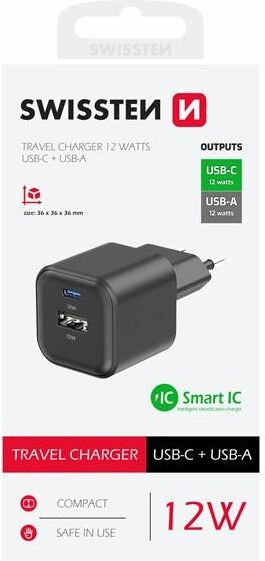
SWISSTEN 22071510 Charger Device, mobile communicationPlug Type: Schuko; Connectors/Plugs: USB type-C, USB; Charge Mode: GaN, PD; Overcharging protection: Yes; Overheating protection: Yes; Short Circuit Protection: Yes; Colour: black; Number of inlets/outlets: 2; Power [W]: 127,29 £*Shipping: 8,45 £Secure redirect to the provider
-
Inspired Deals DA83 Phone Repair Plier Cutter Precision Electronics Wire Cutter For Mobile Repair DA83 Phone Repair Plier Cutter Precision Electronics Wire Cutter For Mobile RepairHandle every repair with confidence using the Phone Repair Plier Cutter designed for clean, accurate cuts. Whether you're a professional technician or a beginner, this compact tool offers the comfort, control, and reliability needed for precision...39,97 $*Shipping: 0,00 $Secure redirect to the provider
-
To what extent is it useful to use superabsorbent polymers?
Superabsorbent polymers are useful in a variety of applications where moisture absorption is necessary, such as in agriculture for water retention in soil, in hygiene products like diapers for absorbing liquids, and in medical dressings for wound care. They are also used in construction materials to improve the durability and strength of concrete. However, superabsorbent polymers can be expensive and may have negative environmental impacts if not disposed of properly. Therefore, it is important to consider the specific application and weigh the benefits against the potential drawbacks before using superabsorbent polymers. **
-
What does an electronics technician specializing in information and communication technology earn?
An electronics technician specializing in information and communication technology can earn an average salary of around $60,000 to $80,000 per year, depending on factors such as experience, location, and employer. With additional certifications or advanced degrees, they may be able to command higher salaries. Overall, this field offers competitive wages and opportunities for career growth as technology continues to advance. **
-
How much does an electronics technician for information and communication technology earn?
The salary of an electronics technician for information and communication technology can vary depending on factors such as experience, location, and employer. On average, in the United States, an electronics technician in this field can earn between $40,000 to $70,000 per year. However, with more experience and specialized skills, technicians can earn higher salaries, potentially exceeding $80,000 annually. It's important to research specific companies and regions to get a more accurate idea of salary expectations. **
-
What is the difference between monomers and polymers and what is their structural formula?
Monomers are small, individual molecules that can bond together to form larger molecules called polymers. The structural formula of a monomer typically consists of a single repeating unit, while the structural formula of a polymer consists of multiple repeating units linked together. For example, the monomer of polyethylene is ethylene, which has the structural formula CH2=CH2, while the polymer polyethylene is made up of many repeating units of ethylene linked together. **
* All prices are inclusive of VAT and, if applicable, plus shipping costs. The offer information is based on the details provided by the respective shop and is updated through automated processes. Real-time updates do not occur, so deviations can occur in individual cases. ** Note: Parts of this content were created by AI.